h1Check Engine Embroidery Design Review for Small Business Branding/h1
h2First Impressions: A Playful Yet Professional Touch/h2
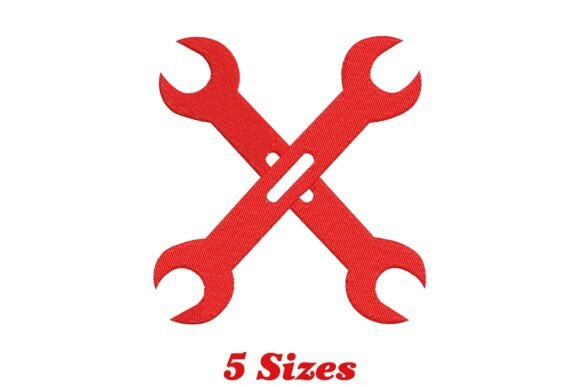
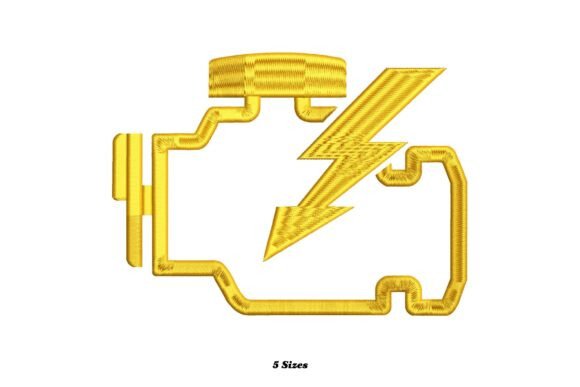
pWhen I first encountered the Check Engine embroidery design, my immediate thought was how it balances whimsy with professionalism. The name itself hints at a mechanical or industrial flair, but the description promises charm and playfulness. As a designer, I appreciate this duality—it suggests the design could work well for small businesses looking to add personality without sacrificing brand credibility. The tone feels approachable, making it ideal for brands in creative, casual, or community-focused niches like cafés, boutiques, handmade studios, and local pet brands./p
h2Real-World Business Applications for Check Engine/h2
pThis machine embroidery design shines when applied to a variety of branded merchandise. Let’s break down how it performs across different business use cases:/p
ul
liStrong chest logo accent on staff uniforms — The design’s clean lines and defined shape make it a great choice for胸前 branding on work shirts or aprons. It stands out without overwhelming the garment./li
liSleeve detail for custom apparel — Whether on a café apron or a boutique staff cap, Check Engine adds a subtle yet memorable detail that reinforces brand presence./li
liCap embroidery for promotional giveaways — When stitched onto the front of caps, the design retains clarity and visual appeal, making it perfect for event merch or customer gifts./li
liTote bag design for boutique merchandise — Paired with the right thread colors, it becomes a standout feature on reusable bags, elevating the perceived value of small business merch./li
liEmbroidered patch for product packaging — Applied as a fabric label or sewn patch on handmade packaging, it enhances the handmade presentation while subtly reinforcing brand identity./li
liPrintable mockup compatibility — The design’s structure adapts well to digital mockups, allowing clients to visualize how it will look on finished products before production./li
/li
h2Where to Use Check Engine with Care/h2
pWhile Check Engine is versatile, it’s important to consider its limitations in specific applications. As an embroidery designer, I recommend evaluating the following scenarios carefully:/p
ul
liSmall patch sizes — At reduced dimensions, intricate outlines may blur or lose definition. Always test the embroidery file at intended patch size before committing to bulk production./li
liCap fronts with curved surfaces — The curvature can distort stitch placement. Be sure to adjust hoop size and stabilizer use accordingly./li
liDark uniforms — Thread color contrast is crucial. Test on black or navy fabric to ensure visibility and legibility./li
liHigh stitch density — If the file has tightly packed stitches, it may not hold up well through frequent washing. Inspect spacing and tension during sample runs./li
liTextured fabric — Rough or uneven materials can affect stitch lay. Run a test on real fabric to ensure the design maintains its intended shape and clarity./li
/li
h2Brand Impact: How Check Engine Supports Business Identity/h2
pFor small businesses, every visual element contributes to brand recognition. Check Engine, when used strategically, can elevate a brand’s perceived professionalism and approachability. Its playful nature appeals to audiences who value handmade products and locally made goods, while its clean structure ensures it doesn’t come across as overly casual or unrefined./p
pWhen stitched onto tote bags, caps, or aprons, the design becomes more than decoration—it becomes part of the brand identity. It tells a story. For example, a local bike shop might incorporate Check Engine into their staff uniforms to subtly nod to mechanical themes while keeping a polished look. An Etsy seller could use it as a branded patch on packaging to create a memorable unboxing experience./p
pThe key is consistency. If you’re using this embroidery file across multiple product types, ensure thread colors, placement, and scale remain uniform. This visual consistency builds trust and makes your small business merch instantly recognizable./p
h2Practical Design Notes for Embroidery Shops and Merch Creators/h2
pBefore using Check Engine in a commercial embroidery project, here are the essential steps every embroidery designer should follow:/p
ol
liConfirm hoop size — Match the embroidery file to your machine’s capabilities./li
liTest on real fabric — Don’t rely solely on digital mockups. Physical samples reveal how the design behaves in the real world./li
liCreate a mockup for client approval — This ensures expectations align with the final embroidered product./li
liCompare with other design assets — Make sure Check Engine complements your existing brand visuals and digital embroidery files./li
liConfirm commercial licensing — Always verify that the design can be used for small business merch and commercial embroidery projects./li
/ol
h2Final Thoughts: A Smart Choice for Creative Branding/h2
pThe Check Engine embroidery design offers a unique opportunity for small businesses to add a touch of charm and character to their branded merchandise. Whether used as a chest logo, sleeve accent, or embroidered patch, it delivers a balance of professionalism and personality that many businesses crave./p
pAs with any embroidery file, success lies in thoughtful application and technical preparation. By testing the design thoroughly and considering fabric, thread, and placement, you can ensure that Check Engine becomes a valuable part of your brand’s visual toolkit./p
pFor embroidery shops, apparel decorators, and Etsy sellers, this machine embroidery design is worth exploring—especially when targeting clients who want to stand out with a handmade, yet polished look./p