Camellia Flower Embroidery Design Review
First Impressions: Cute, Quirky, and Versatile
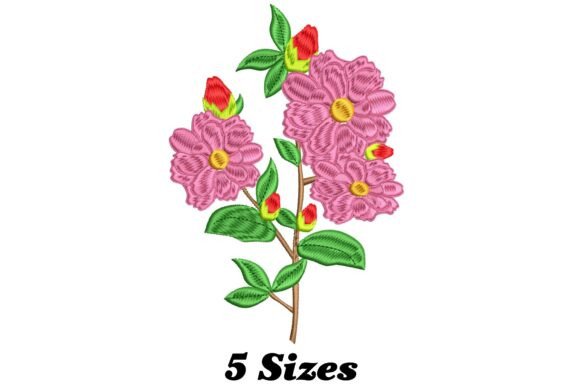
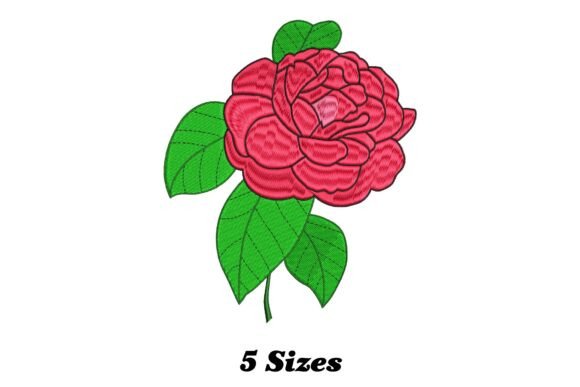
The Camellia Flower embroidery design immediately strikes a balance between charm and simplicity. It doesn't scream for attention like bold, oversized motifs, but instead offers a soft, approachable presence that feels both modern and slightly nostalgic. The design’s “cool” and “quirky” vibe makes it perfect for craft fair shoppers looking for handmade items that feel personal without being overwhelming. It leans more toward cute than elegant, with a touch of farmhouse whimsy that could work across a variety of product types.
Where Camellia Flower Stands Out in a Craft Fair Booth
When setting up a craft fair booth, visual variety and clarity are key. Camellia Flower shines as a supporting design rather than a statement piece. It’s ideal for tote bags, tea towels, and embroidered patches where subtlety and charm matter more than drama. On aprons and pillow covers, it adds a gentle decorative accent that doesn’t distract from the product’s function but enhances its handmade appeal.
For Etsy sellers and boutique makers, this design could be a go-to for creating cohesive, branded product lines. It photographs well for online listings—its defined shape and clean lines translate clearly in digital mockups, making it easy for customers to visualize on finished products.
Performance Across Handmade Product Types
- Tote Bags: Works beautifully as a small side accent or on the bottom corner, adding a playful touch without competing with the bag’s structure.
- Aprons: Perfect for placement on a pocket or near the hem, giving aprons a boutique-style finish that appeals to home cooks and crafters.
- Tea Towels: A centered placement above a hem or near a corner keeps the design from getting lost in fabric texture, especially on thicker weaves.
- Embroidered Patches: This design translates well into a patch format, offering a quick, customizable add-on for jackets, bags, or denim.
- Caps: Be cautious—curved surfaces may distort the shape slightly, so test on scrap fabric first to ensure clarity.
- Fabric Pouches: Ideal for small pouches or zipper bags, where the design can be the focal point without crowding the space.
- Pillow Covers: Placed near a corner or along a seam, it adds a subtle decorative element that complements minimalist or rustic decor.
Practical Production Considerations
As a machine embroidery design, Camellia Flower should be easy to produce in batches, especially if your embroidery file includes clear layering and color changes. It reads well at a glance, making it intuitive for customers to understand and for crafters to stitch repeatedly.
However, pay attention to potential problem areas. If the design includes dense stitch zones or tiny details, they may not hold up well on textured towels or dark fabrics. Always test on scrap fabric first, especially if you’re using thick cotton or linen. Also, check how the design scales—some intricate elements may lose clarity when shrunk down for patches or small pouches.
Visual Appeal and Customer Engagement
At a craft fair or market, your booth needs to draw people in quickly. Camellia Flower may not be the loudest design in your collection, but it has a quiet charisma that appeals to a broad audience. It reads as handmade without feeling overly crafty, which is perfect for shoppers who appreciate subtle personalization.
This design enhances product value by adding a touch of boutique-level detail without requiring complex stitching. It supports brand consistency when used across multiple product types, and it pairs well with other floral or minimalist motifs for a cohesive display.
Designer Notes for Best Results
Before diving into production, always:
- Test the design on scrap fabric to see how it stitches out on your preferred materials.
- Check thread contrast—especially if using dark or patterned fabrics. Some colors may blend in or overpower the design.
- Review spacing and stitch density to avoid puckering or distortion on lightweight or stretchy materials.
- Confirm hoop size matches your machine and intended placement area.
- Use the right stabilizer—especially for textured or thick fabrics like towels or denim.
- Create at least one real mockup to see how the design looks in person and in photos.
- Compare fabric colors to ensure the design stands out and maintains its visual charm.
- Confirm commercial licensing before selling finished products, especially if you’re an Etsy seller or digital designer offering embroidery files.
Final Thoughts: A Solid Choice for Handmade Sellers
Camellia Flower is a versatile, approachable embroidery design that works well for small shop product lines, craft fair displays, and Etsy listings. It’s easy to stitch, photographs beautifully, and brings a soft, handmade quality to every item it touches. While it may not be the flashiest design in your collection, it's the kind of piece that sells steadily and builds brand recognition over time.
For creative entrepreneurs and embroidery business owners, this design is a smart addition to your digital embroidery file library. Just be sure to test, adjust, and pair it with the right products to maximize its charm and effectiveness.